

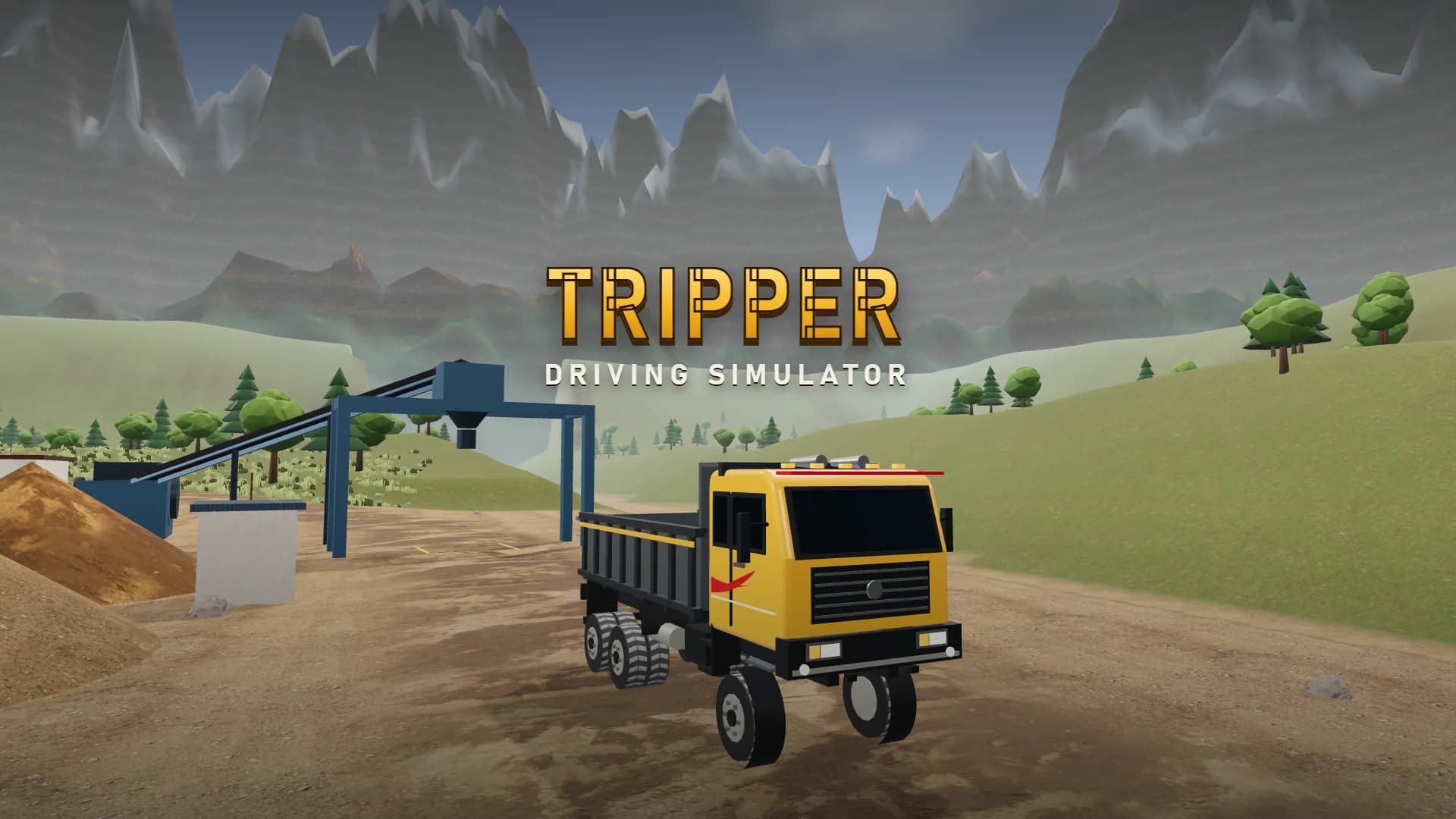
Tripper Driving Simulator
Browser game · 2026
Haul cargo in a tipper truck through mountain routes. A driving game by Quorlyn Technology, published on Playgama.
We design, build and run web, mobile and AI-enabled systems from Kathmandu, Nepal. We plan the architecture, release working software in stages, and document the code and infrastructure for your team.
Product engineering
Web · Mobile
AI engineering
LLM · Retrieval
Platform & cloud
Infra · CI/CD
Data engineering
Pipelines · Warehouse
A product needs work after its first release: new features, changing data, deployment updates and fixes. Your team needs to understand how it was built.
We document technical decisions, version database changes, and test the parts a change could break. You keep the code, infrastructure and accounts.
Six services, from a first product release to changes in an existing system. Each starts with a problem to solve.
Web and mobile applications, including architecture, development, release and ongoing changes.
Language models, document retrieval and automation, with evaluation and fallbacks built into the system.
Deployment pipelines, monitoring and infrastructure management, with a review of running costs.
Data pipelines, warehouse models, quality checks and reporting interfaces.
Design systems and responsive interfaces, with accessibility checks and reusable components.
Architecture and code reviews, technology selection, and written migration or remediation plans.
The people who scope the project write the code. Here is how we approach that work.
The people writing the code take part in scope, estimates and architecture. You can discuss a technical decision directly with them.
Typed interfaces, versioned database migrations and tests help the next engineer understand a change. We record the reasoning behind technical decisions.
Shared components keep screens consistent. Responsive layouts and accessibility checks are included in the work and its acceptance criteria.
We explain the cost and constraints of the options, including a smaller build, a different tool or keeping the existing system.
The stack depends on your system, budget and team. These are the tools we currently work with.
Scope, design, build, test, release and maintain. We agree the depth of each stage around the project.
We discuss the users, existing systems, constraints and budget, then agree the problem to solve and how to judge the result.
Deliverable: Scope, constraints, success criteria
We design the interface and architecture together, recording decisions in the data model, schemas and reusable components.
Deliverable: Design system, data model, architecture
We implement and deploy working features in stages. You can review the software as it develops and use those reviews to guide the next changes.
Deliverable: Working software, in an environment
We test application logic and interfaces, check accessibility and performance against the agreed requirements, and address the findings before release.
Deliverable: Test coverage, audit results, fixes
We prepare deployment, monitoring and a tested rollback before releasing to production. The runbook records how to operate the system.
Deliverable: Production release, monitoring, runbook
After release, we review usage, cost and performance to plan further changes, or hand over the documented system to your team.
Deliverable: Iteration cycle or documented handover
Explore a project we have built and released.
Browser game · 2026
Haul cargo in a tipper truck through mountain routes. A driving game by Quorlyn Technology, published on Playgama.
Describe what you need to build or change, what is getting in the way, and any budget or deadline you have in mind.